
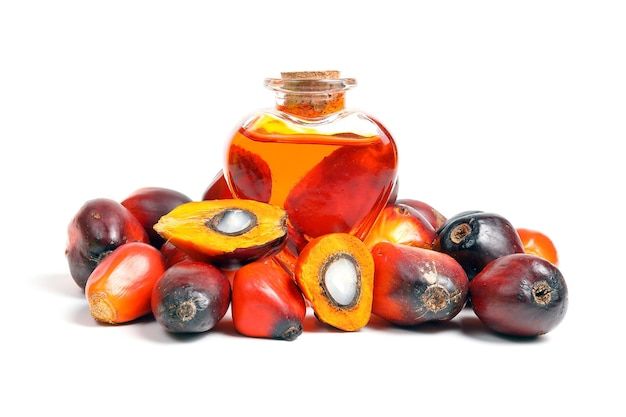
What is Palm Kernel Shell (PKS)?
Palm Kernel Shell (PKS) is a hard shell left after extracting palm kernel oil from oil palm fruits. Instead of being treated as agricultural waste, PKS is processed into an environmentally friendly biomass fuel with high energy efficiency.
Due to its excellent combustion characteristics, PKS is widely used as an alternative to coal in industries seeking to reduce carbon emissions while maintaining stable energy production. Learn more about our range of sustainable biomass products.
Key Characteristics
- Renewable biomass fuel
- High calorific value
- Low moisture content
- Low sulfur emissions
- Easy storage and transportation
- Suitable for industrial boilers and biomass power plants
Why Indonesia is the World’s Leading PKS Exporter
Indonesia is the largest palm oil producer globally, providing a continuous and stable supply of Palm Kernel Shell throughout the year. According to energy transition reports from the World Bank, sustainable agricultural by-products play a critical role in global decarbonization efforts.
Several factors make Indonesia the preferred source for international buyers:
- Massive palm oil industry
- Competitive pricing
- Consistent product availability
- Well-established export infrastructure
- Strategic shipping routes to Asia, Europe, and the Middle East
- Compliance with international biomass standards
Because of these advantages, Indonesian PKS is exported to countries such as Japan, South Korea, China, Thailand, Vietnam, Denmark, Netherlands, Germany, Italy, and the United Kingdom. For more details on foreign trade protocols, visit the official Ministry of Trade of the Republic of Indonesia.
Applications of Palm Kernel Shell
Palm kernel shell is commonly used across various industries:
Biomass Power Plants
PKS is widely utilized as fuel for renewable energy power plants due to its high calorific value and low environmental impact.
Industrial Boilers
Many manufacturing industries replace coal with PKS to reduce emissions and improve sustainability. Industries include:
- Food processing
- Textile manufacturing
- Paper mills
- Cement plants
- Chemical industries
Cement Industries
PKS serves as an efficient alternative fuel for cement production, helping companies meet sustainability targets aligned with global initiatives like the Green Climate Fund.
Standard Export Specifications
Product specifications may vary depending on customer requirements. However, Indonesian exporters generally supply Palm Kernel Shell with the following standard parameters. You can also request a custom quote via our contact page.
| Specification | Typical Value |
|---|---|
| Moisture Content | Maximum 18% |
| Ash Content | Maximum 5% |
| Calorific Value | 3,800 – 4,500 kcal/kg |
| Shell Size | 5 – 50 mm |
| Foreign Materials | Less than 2% |
| Sulfur Content | Very Low |
| Bulk Density | Approximately 600–700 kg/m³ |
Benefits of Indonesian Palm Kernel Shell
Choosing Indonesian Palm Kernel Shell offers numerous advantages for industrial users:
- Renewable Energy Source: PKS is produced from agricultural by-products, making it a sustainable alternative to fossil fuels.
- High Energy Efficiency: Its high calorific value ensures stable combustion and efficient energy generation.
- Environmentally Friendly: Compared to coal, PKS generates lower carbon emissions, lower sulfur emissions, less ash residue, and cleaner combustion.
- Cost-Effective Fuel: Offers competitive pricing and lower long-term operational costs.
- Reliable Supply: Indonesia’s large palm oil industry guarantees continuous product availability throughout the year.
Export Process from Indonesia
Professional Indonesian exporters follow a structured export process to ensure product quality and timely delivery:
- Product Inquiry: The buyer submits product requirements, quantity, destination port, and preferred shipping terms. Feel free to send your inquiries through our inquiry form.
- Price Quotation: The exporter provides a quotation including product specifications, unit price, Minimum Order Quantity (MOQ), delivery schedule, and shipping terms (FOB, CFR, CIF).
- Contract Agreement: Both parties finalize the purchase agreement, payment terms, and delivery schedule.
- Quality Inspection: The PKS is inspected before shipment to ensure it meets the agreed specifications.
- Loading and Shipment: Products are loaded into containers or bulk vessels depending on shipment volume.
- Export Documentation: The exporter prepares all necessary export documents before shipment.
Required Export Documents
International buyers generally receive the following documents:
- Commercial Invoice
- Packing List
- Bill of Lading (B/L)
- Certificate of Origin (COO)
- Weight Certificate
- Quality Inspection Report
- Fumigation Certificate (if required)
- Phytosanitary Certificate (if required)
Shipping Methods
- Bulk Vessel: Suitable for large-volume purchases. Advantages include lower shipping cost per ton, ideal for power plants, and efficient for long-distance transportation.
- Container Shipment: Recommended for smaller orders or trial shipments. Advantages include flexible order quantity, easier logistics, and faster loading process.
Why Choose an Indonesian PKS Supplier?
A reliable supplier offers more than just competitive pricing. Professional Indonesian exporters provide consistent product quality, stable year-round supply, international export experience, flexible shipping options, competitive prices, timely delivery, professional customer support, and strict quality control before shipment. Discover how we manage quality control on our about page.
Sustainability and Environmental Benefits
As industries worldwide transition toward renewable energy, Palm Kernel Shell has become an essential biomass fuel. Using PKS helps companies:
- Reduce greenhouse gas emissions
- Utilize agricultural waste efficiently
- Minimize dependence on fossil fuels
- Support ESG (Environmental, Social, and Governance) initiatives
- Promote circular economy practices
Frequently Asked Questions (FAQ)
1. What is Palm Kernel Shell (PKS)?
Palm Kernel Shell is a hard shell by-product generated during palm oil processing. It is widely used as renewable biomass fuel for industrial heating systems, boilers, and biomass power plants.
2. Why is Indonesian Palm Kernel Shell popular worldwide?
Indonesia is the world’s largest palm oil producer, ensuring a stable supply of high-quality PKS with competitive prices and reliable export capabilities.
3. What industries use Palm Kernel Shell?
PKS is commonly used in biomass power plants, industrial boilers, cement factories, food processing, textile manufacturing, paper mills, chemical plants, and rubber processing industries.
4. What is the calorific value of Palm Kernel Shell?
Most Indonesian Palm Kernel Shell has a calorific value ranging from 3,800 to 4,500 kcal/kg, depending on its moisture content and quality.
5. What is the typical moisture content of exported PKS?
Export-quality Palm Kernel Shell generally has a moisture content of 18% or lower, although customized specifications may be available upon request.
6. Can Palm Kernel Shell replace coal?
Yes. Many industries use Palm Kernel Shell as a renewable alternative to coal because it offers lower carbon emissions, cleaner combustion, and competitive energy performance.
7. What shipping methods are available?
Palm Kernel Shell can be exported using bulk vessels for large-volume shipments or containers for smaller or trial orders.
8. What export documents are provided?
Common export documents include Commercial Invoice, Packing List, Bill of Lading, Certificate of Origin, Quality Inspection Report, Weight Certificate, Fumigation Certificate, and Phytosanitary Certificate.
9. Can product specifications be customized?
Yes. Most Indonesian exporters can customize moisture content, shell size, ash content, and other specifications according to buyer requirements.
10. Why should I choose an Indonesian Palm Kernel Shell supplier?
Indonesian suppliers offer consistent product quality, abundant raw material availability, competitive pricing, international export experience, and reliable logistics, making Indonesia one of the most trusted sources of Palm Kernel Shell worldwide.